
Stomach ulcer, also known as gastric ulcer, is a painful condition that affects the lining of the stomach. It occurs when the protective mucus layer of the stomach is weakened, allowing stomach acid to damage the tissue beneath. Common causes include infection with Helicobacter pylori (H. pylori), long-term use of nonsteroidal anti-inflammatory drugs (NSAIDs), excessive alcohol consumption, stress, and unhealthy eating habits. While medical treatment is essential, diet plays a critical role in managing symptoms, promoting healing, and preventing recurrence. Choosing the right foods can significantly reduce irritation, support stomach lining repair, and improve overall digestive health. health/stomach-ulcer-diet
This article provides an in-depth discussion of foods suitable for stomach ulcers and explains how proper nutrition can help restore comfort and wellness.
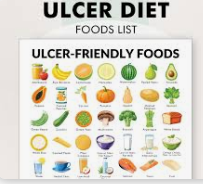
Understanding the Role of Diet in Stomach Ulcer Management
Food does not directly cause stomach ulcers, but certain foods can worsen symptoms such as pain, burning, bloating, and nausea. Conversely, some foods help protect the stomach lining, reduce inflammation, control acid production, and fight harmful bacteria. A stomach-ulcer-friendly diet focuses on gentle, nutrient-rich foods that are easy to digest and low in irritation.
Eating small, frequent meals instead of large portions also helps prevent excessive acid secretion and reduces pressure on the stomach.
Fruits Suitable for Stomach Ulcer
Fruits provide essential vitamins, antioxidants, and fiber that support healing. However, not all fruits are suitable for people with stomach ulcers.
Bananas
Bananas are among the best fruits for ulcer patients. They are soft, non-acidic, and rich in potassium and fiber. Bananas help coat the stomach lining and protect it from acid irritation. They also support the growth of beneficial gut bacteria.
Apples (without peel)
Apples are rich in soluble fiber and antioxidants. When peeled and eaten raw or cooked, they are gentle on the stomach and help regulate digestion.
Papaya
Papaya contains digestive enzymes that improve digestion and reduce bloating. It also has anti-inflammatory properties that support stomach healing.
Pears
Pears are mild, low-acid fruits that are easy to digest. They provide hydration and fiber without irritating the stomach.
Watermelon and Melon
These fruits have high water content and are low in acid, making them soothing for the stomach lining.
Vegetables That Support Ulcer Healing
Vegetables are essential for supplying vitamins and minerals needed for tissue repair and immune support. Cooking vegetables is often recommended to make them easier to digest.
Cabbage
Cabbage is well known for its ulcer-healing properties. It contains compounds that help fight H. pylori bacteria and promote stomach lining repair. Lightly cooked cabbage or fresh cabbage juice is often recommended.
Carrots
Carrots are rich in beta-carotene and antioxidants. They help reduce inflammation and support mucosal healing.
Pumpkin and Squash
These vegetables are soft, non-acidic, and easy to digest. They help calm the stomach and provide essential nutrients.
Spinach and Leafy Greens
Leafy greens are rich in vitamins A, C, and K, which support immune function and tissue repair. They should be lightly cooked to reduce irritation.
Potatoes (boiled or steamed)
Potatoes are gentle on the stomach and help absorb excess stomach acid. They are a good source of energy without causing irritation.
Grains and Carbohydrates for Ulcer Patients
Grains provide energy and fiber, which aid digestion and promote gut health.
Oatmeal
Oatmeal is one of the best foods for stomach ulcers. It is high in soluble fiber, which helps absorb stomach acid and reduce discomfort.
Brown Rice and White Rice
Rice is easy to digest and provides energy without irritating the stomach. White rice may be preferred during active ulcer pain due to its lower fiber content.
Whole Wheat Bread (in moderation)
Whole wheat bread provides fiber and nutrients, but it should be consumed in moderation and well-chewed.
Porridge and Soft Cereals
Soft cereals made from maize, millet, or oats are soothing and gentle on the digestive system.
Protein Sources That Are Gentle on the Stomach
Protein is essential for tissue repair and healing, but fatty or heavily seasoned proteins should be avoided.
Lean Poultry
Skinless chicken or turkey, boiled or grilled, provides high-quality protein without excess fat.
Fish
Fish such as salmon, tilapia, and mackerel are rich in protein and omega-3 fatty acids, which help reduce inflammation.
Eggs
Eggs are easy to digest and provide essential amino acids. Boiled or poached eggs are the best options.
Legumes (well-cooked)
Beans and lentils provide plant-based protein and fiber. They should be well-cooked to reduce gas and bloating.
Tofu and Soy Products
Tofu is a gentle, plant-based protein that is easy to digest and suitable for ulcer patients.
Dairy and Probiotic Foods
Dairy products can be beneficial or irritating depending on the individual. Low-fat options are generally better tolerated.
Low-Fat Milk
Milk can temporarily soothe stomach pain, but it should be consumed in moderation as it may stimulate acid production in some people.
Yogurt with Live Cultures
Probiotic yogurt helps restore healthy gut bacteria and may help fight H. pylori infection. Plain, unsweetened yogurt is best.
Fermented Foods
Foods like kefir and fermented vegetables (mild, non-spicy) support gut health and digestion.
Healthy Fats That Aid Healing
Healthy fats support nutrient absorption and reduce inflammation when consumed in small amounts.
Olive Oil
Olive oil contains antioxidants and healthy fats that support digestion and reduce inflammation.
Avocado
Avocado is rich in healthy fats and vitamins. It is gentle on the stomach when eaten in moderation.
Beverages Suitable for Stomach Ulcer
Hydration is important for digestion and healing.
Water
Water helps dilute stomach acid and supports digestion.
Herbal Teas
Chamomile, ginger, and licorice root teas help reduce inflammation, soothe the stomach, and relieve pain.
Coconut Water
Coconut water is gentle, hydrating, and rich in electrolytes that support digestion.
Foods to Avoid with Stomach Ulcer
To support healing, certain foods should be limited or avoided:
- Spicy foods and hot peppers
- Fried and fatty foods
- Alcohol and carbonated drinks
- Coffee and strong tea
- Citrus fruits and acidic juices
- Chocolate and peppermint
- Processed and heavily seasoned foods
Avoiding these foods reduces irritation and prevents worsening of symptoms.
Eating Habits That Promote Ulcer Healing
In addition to food choices, healthy eating habits are essential:
- Eat small, frequent meals
- Chew food thoroughly
- Avoid eating late at night
- Manage stress effectively
- Avoid smoking
These habits reduce acid production and promote faster healing.
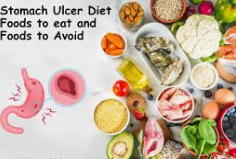
Conclusion
Managing a stomach ulcer requires more than medication alone; diet plays a vital role in recovery and long-term comfort. Foods suitable for stomach ulcers are gentle, nutritious, and supportive of stomach lining repair. Fruits like bananas and papaya, vegetables such as cabbage and carrots, whole grains, lean proteins, and probiotic-rich foods all contribute to healing and digestive balance.
By choosing ulcer-friendly foods and avoiding irritants, individuals can significantly reduce pain, support stomach health, and prevent future complications. Combined with proper medical care and healthy lifestyle habits, the right diet can restore digestive comfort and improve overall quality of life.