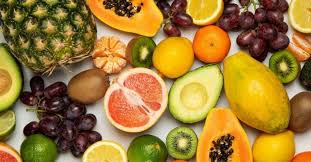
The best foods for managing diabetes are rich in fiber and nutrients but low on the glycemic index. Eat plenty of berries, dark leafy greens, fatty fish, nuts, and whole grains. Choose fruits like citrus and apples, and avoid sugary drinks and sweet fruits like mangoes to help control blood sugar and prevent health issues.
Berries: 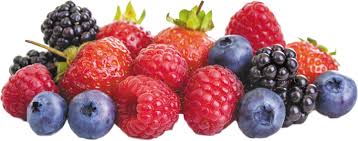
While we commonly call fruits like blueberries and strawberries “berries,” the botanical definition is different. True berries are simple fruits developing from a single flower, a category that includes grapes, bananas, and tomatoes. In contrast, strawberries and raspberries are aggregate fruits, formed from a flower with multiple ovaries.
Read more Advantages-Of-Fruit-Recipe/
Dark Leafy Greens: 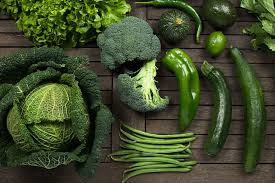
Packed with vitamins, minerals, and antioxidants, dark leafy greens such as kale, spinach, and collard greens provide significant health benefits. Their nutritional profile supports stronger bones, reduces inflammation, and enhances vision.
Read more why-should-unhealthy-foods-be-banned-from-schools/
Fatty Fish: 
Fatty fish, such as salmon, mackerel, herring, and sardines, are valued for their high concentration of omega-3 fatty acids, specifically EPA and DHA. These essential fats are known to support cardiovascular and cognitive function, reduce inflammatory responses, and decrease triglyceride levels. Consequently, major health organizations advise a minimum intake of two servings per week.
Read more: A-Farmer-Is-Better-Than-A-Doctor-Essay/
Types of Nuts: 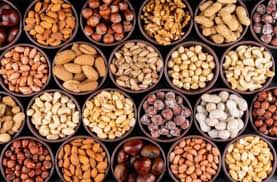
To help manage diabetes, eat a handful of nuts like almonds, walnuts, or cashews every day. Choose raw or dry-roated versions without salt. The healthy fats, fiber, and protein in these nuts control blood sugar and protect your heart.
Read more: iIs-Online-Learning-as-Effective-as-Traditional-Classroom-Learning/
Beans: 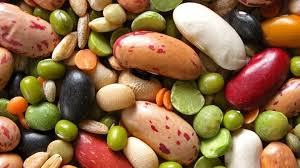
Beans are a highly beneficial food for individuals with diabetes, primarily due to their high fiber and protein content, which slows carbohydrate absorption and stabilizes postprandial blood glucose. Their low glycemic index, coupled with nutrients like magnesium and potassium, further supports metabolic and cardiovascular health by helping to lower cholesterol. Additionally, they provide a valuable plant-based protein alternative to meat.
Avocado: 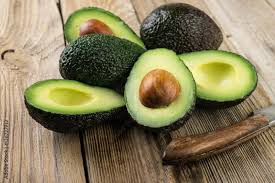
For people with diabetes, avocados offer a powerful combination of blood sugar control and heart health support. The fruit’s high fiber prevents glucose spikes, while its healthy fats enhance insulin sensitivity and reduce diabetes risk factors. They also promote satiety, which helps with weight management.
Sweet Potatoes: 
With their high fiber and lower glycemic index, sweet potatoes are a nutritious choice for diabetes management. To maximize these benefits, keep portions to about half a potato and opt for boiling or steaming, as these cooking methods help prevent blood sugar spikes better than baking.
Whole Grains: 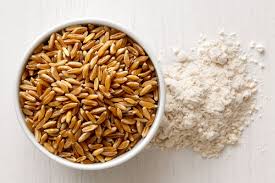
The incorporation of whole grains is a fundamental component of a diabetic diet. The dietary fiber in whole grains moderates the rate of sugar absorption, leading to more stable postprandial glucose levels and enhanced insulin sensitivity. Additionally, they contribute to improved lipid profiles and weight management. It is important to note that while superior to refined grains, portion control remains necessary due to their carbohydrate content.
some foods and fruits a diabetes patient should limit or avoid
For effective blood sugar management, individuals with diabetes are advised to restrict their intake of specific foods. This includes items with added sugars like candy, pastries, and soda; refined carbohydrates such as white bread and rice; and large servings of starchy vegetables like potatoes. It’s also wise to minimize dried fruits, processed and fried meats, and full-fat dairy due to their impact on sugar levels and heart health. Although fresh fruit is a healthy choice, varieties that are particularly high in natural sugar—like mangoes, pineapple, and watermelon—should be consumed in limited quantities.
1. Sugary Foods (Candy, Pastries)
- Why Limit/Avoid: These are sources of “simple” or “refined” carbohydrates. They are digested very quickly, causing a rapid and sharp spike in blood sugar and insulin levels. They offer little to no nutritional value (no fiber, vitamins, or minerals) and are often high in calories, which can contribute to weight gain.
- The Science: The body doesn’t have to work hard to break them down. The sugar (sucrose, high-fructose corn syrup) is absorbed almost directly into the bloodstream.
2. Sugary Drinks (Soda, Juice)
- Why Limit/Avoid: This is often considered the most problematic category. Liquid sugars are absorbed even faster than solid foods. A can of soda can contain 40+ grams of sugar, hitting the bloodstream all at once.
- Fruit Juice Caution: Even 100% fruit juice is concentrated sugar without the beneficial fiber of the whole fruit. Eating one orange is filling and contains fiber; drinking a glass of orange juice is the sugar of several oranges with minimal satiety.
3. Refined Grains (White Bread, White Rice)
- Why Limit/Avoid: These grains have been stripped of their bran and germ, which removes most of the fiber, protein, and nutrients. What remains is mostly starchy endosperm, which acts very similarly to sugar in the body.
- Better Alternative: The key is fiber. Fiber slows down digestion and the release of glucose into the blood. Choose whole grains (oats, quinoa, whole-wheat bread, brown rice) which retain their fiber.
4. Starchy Vegetables in Large Portions (Potatoes, Corn)
- Why Limit (Not Necessarily Avoid): Starchy vegetables are nutritious but are high in carbohydrates. A large baked potato or a big serving of corn can contain as many carbs as several slices of bread.
- Portion Control is Key: They can be part of a healthy meal, but the portion size must be managed. Pair them with non-starchy vegetables (like broccoli, spinach, peppers) and a source of lean protein to balance the meal.
5. Dried Fruit
- Why Limit: When fruit is dried, the water is removed, concentrating its natural sugars and calories into a much smaller volume. It’s very easy to consume a large amount of sugar quickly (e.g., eating a handful of raisins versus eating a handful of grapes).
- Added Sugar: Many dried fruits (like cranberries) have additional sugar added during processing.
6. Processed Meats
- Why Limit/Avoid: This recommendation is less about blood sugar and more about overall cardiovascular health. People with diabetes are at a significantly higher risk for heart disease. Processed meats (bacon, sausage, deli meats) are high in saturated fats and sodium, which can increase blood pressure and bad cholesterol (LDL).
7. Fried Foods High in Unhealthy Fats
- Why Limit/Avoid: These foods are typically high in both calories and unhealthy trans or saturated fats. This combination promotes weight gain and insulin resistance, making it harder for your body’s insulin to work effectively. Furthermore, the breading on fried foods is often made from refined carbohydrates, creating a double-whammy effect on blood sugar and heart health.
8. Full-Fat Dairy Products
- Why Limit: Like processed meats, this is primarily for heart health. Full-fat dairy (whole milk, cream, full-fat cheese) is a major source of saturated fat. Choosing low-fat or fat-free options provides the same beneficial protein and calcium without the unhealthy fats.
The Nuance on Fresh Fruits
The statement about fruit is critical because it corrects a common misconception that people with diabetes must avoid all fruit.
- Generally Good: Most whole fruits are excellent choices. They are packed with fiber, vitamins, antioxidants, and water. The fiber is key—it slows the absorption of the fruit’s natural sugar (fructose), preventing a major blood sugar spike.
- Moderation for High-Sugar/High-GI Fruits: Some fruits have a higher glycemic index (GI), meaning they raise blood sugar faster than others.
- Mangoes & Pineapple: Are very sweet and have a high sugar content.
- Watermelon: While mostly water, it has a high GI because its carbohydrates are absorbed rapidly. However, a standard serving size is relatively low in total carbs.
- Practical Approach: You don’t have to avoid these fruits entirely. The advice is to be mindful of portion size. Instead of a large bowl, have a small slice. Pairing them with a source of protein or healthy fat (e.g., a small serving of watermelon with a handful of nuts) can further help slow down sugar absorption.
Summary & Key Takeaways:
- Focus on Quality Carbs: Choose high-fiber, complex carbohydrates (whole grains, non-starchy vegetables, legumes) over refined, simple carbs (sugar, white flour).
- Beware of Liquid Calories: Sugary drinks are among the worst offenders for blood sugar control.
- Portion Control is Everything: Even healthy carbs affect blood sugar, so managing portion sizes is non-negotiable.
- Think Holistically: Diabetes management isn’t just about sugar. Heart health is paramount, so limiting unhealthy fats (saturated and trans fats) and sodium is equally important.
- Pairing Foods is a Powerful Tool: Combining a carbohydrate with a protein or healthy fat can significantly blunt its blood sugar impact.
Disclaimer: Food affects everyone differently. Always work with your healthcare team to create a meal plan tailored to your specific needs and health goals. Remember: This is general guidance. For a personalized diet plan, consult a healthcare provider or registered dietitian.