Have you ever come across a recipe calling for a pound of flour or a certain number of ounces of butter and wondered how they relate? Understanding the relationship between ounces and pounds is crucial, especially in cooking, shopping, and fitness.
Whether you’re weighing ingredients, mailing packages, or tracking your weight, knowing how many oz for a pound can make your life easier.
Let’s dive into the world of ounces and pounds, breaking down their conversion, usage, and interesting facts in an easy-to-understand way.
1. Understanding Pounds and Ounces
Before we get into the exact numbers, let’s first understand what pounds and ounces are. Both are units of weight measurement commonly used in the United States and a few other countries. The pound is a larger unit, while the ounce is a smaller subdivision of it.
Read more:Medical Esthetician Program Cost In Canada
- Pound (lb): A unit of weight that is commonly used in the U.S. customary and British imperial systems.
- Ounce (oz): A smaller unit of weight that is part of the pound.
2. How Many Ounces in a Pound?
The simple answer is:
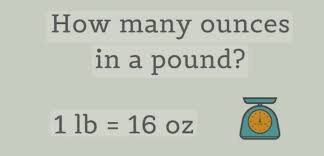
1 pound (lb) = 16 ounces (oz)
So, if you have a 2-pound bag of flour, it contains 32 ounces of flour (2 x 16 = 32).
3. The History of Pounds and Ounces
The pound has its origins in ancient Rome, where it was called the libra (which is why the abbreviation for pound is “lb”). The ounce comes from the Latin word uncia, meaning one-twelfth, as the Roman pound was divided into 12 ounces.
4. Converting Pounds to Ounces and Vice Versa
See now: 15 Benefits of Studying Esthetics in Canada
Pounds to Ounces Formula:
To convert pounds to ounces, multiply by 16.
Ounces = Pounds × 16
Ounces to Pounds Formula:
To convert ounces to pounds, divide by 16.
Pounds = Ounces ÷ 16
Examples:
- 5 lbs = 5 × 16 = 80 ounces
- 48 oz = 48 ÷ 16 = 3 pounds
5. Common Uses of Ounces and Pounds
Pounds and ounces are used in various aspects of daily life:
- Cooking & Baking: Recipes often specify ingredient weights.
- Fitness & Health: Body weight is measured in pounds.
- Mailing Packages: Shipping labels often list weight in pounds and ounces.
- Jewelry & Precious Metals: Gold and silver are weighed in ounces.
6. Pounds and Ounces in Cooking
Read on: Breda University Scholarships: Join the WhatsApp Community
Many recipes use pounds and ounces for ingredient measurements. For example:
- 1 lb of butter = 16 oz = 2 cups
- 1 lb of flour = 16 oz = approximately 3.5 cups
- 1 lb of meat = 16 oz = 4 servings
7. Weight Measurement in Different Countries
The U.S. uses pounds and ounces, while most other countries use the metric system (kilograms and grams). For reference:
- 1 pound = 0.453592 kilograms
- 1 ounce = 28.3495 grams
8. Why Do We Use Pounds and Ounces?
Despite the global shift to the metric system, the U.S. still uses the customary system because of historical influence and convenience.
9. Quick Reference Conversion Chart
| Pounds | Ounces |
|---|---|
| 1 lb | 16 oz |
| 2 lbs | 32 oz |
| 3 lbs | 48 oz |
| 4 lbs | 64 oz |
| 5 lbs | 80 oz |
| 10 lbs | 160 oz |
| 20 lbs | 320 oz |
10. FAQs About Ounces and Pounds
See more: How To Apply For The Middle Class Scholarship
Q1: How many ounces are in half a pound?
Half a pound is 8 ounces because 16 divided by 2 equals 8.
Q2: How do I convert pounds to ounces easily?
Simply multiply the number of pounds by 16.
Q3: Are dry ounces and fluid ounces the same?
No, dry ounces measure weight, while fluid ounces measure volume.
Q4: What weighs exactly one pound?
A loaf of bread or a package of butter (4 sticks) typically weighs one pound.
Q5: Why does the U.S. still use pounds instead of kilograms?
The U.S. sticks to pounds due to historical influence and convenience in everyday use.
Conclusion
Understanding how many oz for a pound is useful for cooking, shopping, mailing, and more. Now that you know 1 pound equals 16 ounces, you can confidently make conversions in daily life.
Whether you’re a chef, a student, or just someone curious about measurements, this knowledge will come in handy! Happy measuring!