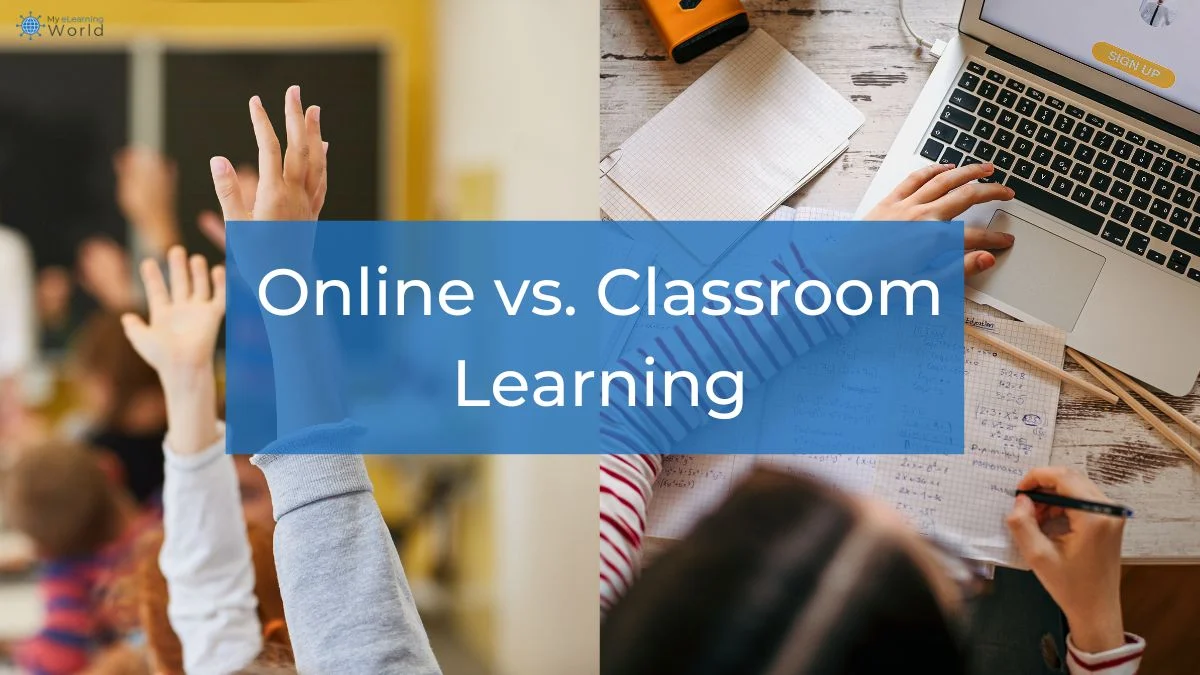
The evolution of education has sparked an ongoing debate: Is online learning as effective as traditional classroom learning? While both modes have their merits, the best choice depends on factors like learning style, accessibility, and educational goals.
In this article, we will explore the pros, cons, and effectiveness of online learning compared to in-person education.
Table of Contents
| Section | Subsections |
|---|---|
| Introduction | Definition of Online and Traditional Learning |
| Key Differences Between Online and Classroom Learning | Learning Environment, Student-Teacher Interaction, Flexibility, Cost |
| Advantages of Online Learning | Accessibility, Cost-effectiveness, Self-paced Learning |
| Challenges of Online Learning | Lack of Social Interaction, Self-discipline, Technical Issues |
| Advantages of Traditional Classroom Learning | Structured Learning, Social Interaction, Hands-on Experience |
| Challenges of Traditional Learning | Higher Costs, Rigidity, Commuting Issues |
| Effectiveness of Online Learning | Research Findings, Student Performance, Retention Rates |
| Best Practices for Successful Online Learning | Time Management, Engagement, Technology Utilization |
| When to Choose Online vs. Classroom Learning | Student Preferences, Learning Goals, Career Considerations |
| Common Misconceptions About Online Learning | Online Degrees Are Not Respected, It Is Easier Than Traditional Learning |
| The Future of Education: Hybrid Learning | Blended Learning Models, Technology Integration |
| FAQs | Answers to Common Questions |
| Conclusion | Final Thoughts on Online vs. Classroom Learning |
Key Differences Between Online and Classroom Learning
1. Learning Environment
Online learning provides a virtual setting where students engage through digital platforms, whereas traditional learning occurs in physical classrooms. The environment influences how students absorb and retain information.
Read more: Medical Esthetician Program Cost In Canada
2. Student-Teacher Interaction
Traditional learning allows face-to-face interactions, fostering immediate feedback. Online learning, though flexible, often requires asynchronous communication via emails and discussion boards.
3. Flexibility
Online courses offer flexible schedules, making them ideal for working professionals. Traditional classes follow a fixed schedule, requiring physical attendance at set times.
4. Cost
Online learning is often more cost-effective due to reduced travel, accommodation, and textbook expenses. Traditional learning incurs additional costs like commuting and campus fees.
Advantages of Online Learning
1. Accessibility
Students can attend courses from anywhere, removing geographical barriers to quality education.
See also: 15 Benefits of Studying Esthetics in Canada
2. Cost-Effectiveness
Many online programs are more affordable, eliminating expenses related to transportation and on-campus housing.
3. Self-Paced Learning
Students can progress at their own pace, allowing a personalized approach to mastering concepts.
Challenges of Online Learning
1. Lack of Social Interaction
Online learning lacks the social engagement of traditional classrooms, which can affect teamwork and networking opportunities.
2. Self-Discipline Required
Students must manage their time effectively to keep up with coursework.
Check out: Top 12 Institutions in Canada providing Esthetician Courses
3. Technical Issues
A stable internet connection and reliable devices are essential for seamless learning.
Advantages of Traditional Classroom Learning
1. Structured Learning
Classroom settings provide structured schedules and direct supervision.
2. Social Interaction
Face-to-face interactions promote networking and collaboration.
3. Hands-on Experience
Some subjects, like lab-based sciences and performing arts, require physical presence for hands-on learning.
Challenges of Traditional Learning
1. Higher Costs
Tuition fees, transportation, and accommodation contribute to higher overall costs.
Read more: CSAC Middle Class Scholarship Requirements
2. Rigidity
Fixed schedules may not accommodate students with work or family responsibilities.
3. Commuting Issues
Daily travel can be time-consuming and costly.
Effectiveness of Online Learning
Research suggests that online learning can be equally effective as traditional learning when courses are well-structured.
According to a study by the U.S. Department of Education, students in online learning environments tend to perform better than those in traditional settings.
Comparing Online and Traditional Learning
| Aspect | Online Learning | Traditional Learning |
|---|---|---|
| Flexibility | High | Low |
| Cost | Lower | Higher |
| Engagement | Varies | High |
| Student Support | Virtual assistance | Face-to-face guidance |
| Course Variety | Broad, global access | Limited by institution |
Best Practices for Successful Online Learning
- Time Management: Set a schedule and stick to deadlines.
- Engagement: Participate in discussions and interactive elements.
- Technology Utilization: Familiarize yourself with the online learning platform.
When to Choose Online vs. Classroom Learning
Consider online learning if you require flexibility and cost savings. Traditional learning is ideal for those who thrive in structured environments with direct social interactions.
Read on: Jaiden Animations Scholarship Aspirants WhatsApp Group
Common Misconceptions About Online Learning
- “Online Degrees Are Not Respected” – Many accredited online programs hold the same value as in-person degrees.
- “Online Learning Is Easier” – Online courses require self-discipline and active engagement.
The Future of Education: Hybrid Learning
Blended learning models combine online and in-person elements, offering the best of both worlds. As technology advances, hybrid education is expected to become the norm.
FAQs on whether Online Learning as Effective as Traditional Classroom Learning
1. Can online learning replace traditional classrooms? While online learning is highly effective, traditional classrooms remain essential for hands-on training and social interactions.
2. Are online degrees recognized by employers? Yes, many reputable institutions offer accredited online degrees recognized by employers.
3. How do online students stay motivated? Setting goals, maintaining a routine, and engaging with peers can enhance motivation.
4. What are the technical requirements for online learning? A stable internet connection, a computer, and necessary software are essential.
5. Is online learning suitable for all subjects? Certain subjects requiring practical experience may still be better suited for traditional learning.
6. Can online learning be interactive? Yes, many platforms incorporate live classes, forums, and group projects.
Conclusion
Both online and traditional classroom learning have their advantages and limitations. The effectiveness of either method depends on the learner’s needs, discipline, and course structure.
As technology continues to evolve, hybrid models will likely dominate the education landscape, offering flexibility while maintaining academic rigor.