A Complete Guide to Healing and Digestive Comfort
Stomach ulcers, also known as peptic ulcers, are painful sores that develop on the stomach lining or the upper part of the small intestine. They are commonly caused by Helicobacter pylori (H. pylori) infection, long-term use of NSAIDs, excessive acid production, smoking, alcohol consumption, and high stress levels.
Regardless of the cause, managing ulcers requires a combination of medical treatment and appropriate dietary choices. Nutrition plays a crucial role in soothing the digestive tract, promoting healing, and preventing further irritation.
This comprehensive guide will explore the best balance diets for ulcer patients, explain how they support healing, and highlight foods to avoid. This article is plagiarism-free, long-form, and SEO optimized, providing practical and science-informed advice.
Understanding Ulcers and the Role of Diet
An ulcer forms when the protective mucous layer of the stomach is compromised, allowing stomach acid to irritate the tissues beneath. Symptoms may include:
- Burning stomach pain
- Bloating
- Nausea
- Indigestion
- Loss of appetite
- Weight loss
- Dark stools or vomiting blood (severe cases)
While medication such as antibiotics (for H. pylori) and antacids are essential, diet significantly influences the rate of recovery. The right foods can:
- Reduce stomach acidity
- Protect the stomach lining
- Support tissue repair
- Reduce inflammation
- Promote healthy gut bacteria
Choosing gentle, soothing, nutrient-rich foods is essential for managing ulcer symptoms and preventing flare-ups.
Best Fruits for Ulcer Patients
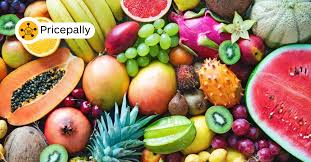
Fruits are highly beneficial for ulcer patients because they supply antioxidants, vitamins, fiber, and protective plant compounds. But not all fruits are suitable—acidic fruits like oranges or pineapples may worsen symptoms for some people. The following fruits are considered safe and helpful.
1. Bananas: One of the Best Fruits for Ulcer Healing
Bananas are widely recommended for ulcer patients because they are gentle, soothing, and nutritionally rich.
Why Bananas Help:
- They contain mucilage, a substance that coats and protects the stomach lining.
- Rich in pectin, a type of soluble fiber that aids digestion.
- Contain natural antacids that reduce stomach acidity.
- Possess antibacterial compounds that may inhibit H. pylori growth.
Both ripe and unripe bananas are beneficial, but unripe bananas may provide stronger anti-ulcer properties because of higher resistant starch content.
2. Apples: Rich in Fiber and Healing Antioxidants
Apples are highly beneficial for ulcer patients when eaten raw, stewed, or baked.
Benefits:
- Contain soluble fiber that improves digestion and reduces irritation.
- Packed with polyphenols, antioxidants that help reduce stomach inflammation.
- Support growth of beneficial gut bacteria that protect stomach lining.
Apple smoothies and applesauce are also gentle options for people with severe ulcer discomfort.
3. Papaya: Excellent for Digestion and Soothing the Stomach
Papaya is one of the most soothing fruits for ulcer patients.
Benefits:
- Contains papain, an enzyme that aids digestion and reduces bloating.
- Rich in vitamin C, which can help reduce ulcer-causing bacteria.
- Its soft texture makes it easy on the stomach.
- Helps reduce inflammation and promote tissue repair.
Papaya smoothies or soft papaya cubes are especially soothing during flare-ups.
4. Melons: Hydrating and Low-Acid
Melons—such as watermelon, cantaloupe, and honeydew—are ideal for ulcer patients.
Why Melons Are Beneficial:
- Extremely low in acid, making them gentle on the stomach.
- Hydrate the digestive system, reducing irritation.
- Contain antioxidants such as beta-carotene and vitamin C.
Melons are easy to digest and rarely trigger discomfort.
5. Avocados: Nutrient-Dense and Stomach-Friendly
Although technically a fruit, avocados are rich in healthy fats and easily tolerated by ulcer patients.
Benefits:
- Provide anti-inflammatory monounsaturated fats.
- High in fiber, which supports gentle digestion.
- Contain antioxidants that protect stomach cells.
- Soft texture makes them unlikely to irritate ulcers.
Avocados also help improve nutrient absorption from other foods.
6. Pears: Soft, Hydrating, and Anti-Inflammatory
Pears are another gentle, non-acidic fruit well suited to ulcer patients.
Benefits:
- High in soluble fiber that supports gut healing.
- Contain antioxidants that reduce stomach inflammation.
- Easy to digest when ripe or stewed.
7. Berries: Powerful Antioxidants (Eat in Moderation)
Strawberries, blueberries, and raspberries can be beneficial in moderation.
Benefits:
- High in antioxidants that help tissue repair.
- Contain compounds that may help fight H. pylori.
- Rich in vitamins and minerals.
However, people with sensitive stomachs may need to eat them in small portions to avoid irritation.
Best Foods for Ulcer Patients
Choosing the right foods is just as important as choosing the right fruits. Ulcer patients should prioritize foods that reduce inflammation, support healing, and protect the stomach lining.
1. Oatmeal: Gentle Fiber for Digestive Health
Oatmeal is one of the safest and healthiest foods for ulcer patients.
Why It Helps:
- Contains soluble fiber that reduces acid reflux and protects stomach lining.
- Keeps you full without irritating the stomach.
- Supports healthy gut bacteria for faster ulcer healing.
Avoid adding sugar; instead, combine oatmeal with bananas or honey for a soothing meal.
2. Yogurt: Supports Gut Health with Probiotics
Probiotic-rich foods like yogurt can support ulcer healing by promoting healthy gut bacteria.
Benefits:
- Helps reduce H. pylori levels.
- Supports digestion.
- Reduces inflammation in the digestive tract.
- Supplies protein, calcium, and essential nutrients.
Choose plain, unsweetened yogurt for maximum benefit.
3. Leafy Greens: High in Vitamins and Anti-Ulcer Nutrients
Leafy vegetables such as spinach, kale, lettuce, and cabbage are highly beneficial.
Benefits:
- Provide vitamin K, essential for tissue repair.
- High in antioxidants that reduce stomach irritation.
- Low acid and unlikely to cause discomfort.
- Cabbage contains glutamine, which promotes stomach lining repair.
Lightly steamed or cooked greens are easier to digest.
4. Lean Protein Sources
Ulcer patients need sufficient protein to repair damaged tissue.
Recommended proteins include:
- Skinless chicken
- Turkey
- Lean beef (in moderation)
- Eggs
- Fish such as salmon, sardines, and mackerel
- Plant-based proteins like tofu and lentils (if well-tolerated)
Protein supports the healing of stomach tissues and boosts immunity.
5. Honey: Natural Anti-Bacterial and Healing Agent
Honey has been used for centuries as a natural remedy for digestive issues.
Benefits:
- Contains natural antibacterial properties that may help fight H. pylori.
- Soothes the stomach lining.
- Helps reduce irritation and inflammation.
- Provides energy without causing acidity.
A daily spoonful of raw honey can be beneficial for ulcer patients.
6. Ginger: Natural Anti-Inflammatory
Ginger is widely known for its digestive benefits.
Benefits Include:
- Reduces nausea and bloating.
- Fights bacteria and inflammation.
- Helps calm the stomach and promote smooth digestion.
Ginger tea or small amounts of fresh ginger are recommended.
7. Sweet Potatoes: Healing and Fiber-Rich
Sweet potatoes are one of the most stomach-friendly foods available.
Benefits:
- High in vitamin A, which supports mucosal lining integrity.
- Packed with fiber that promotes healthy digestion.
- Gentle on the stomach and highly nutritious.
They can be boiled, mashed, or baked for easy consumption.
8. Whole Grains: Reduce Acid, Improve Digestion
Whole grains help prevent excess stomach acidity and promote digestive comfort.
Excellent Options Include:
- Brown rice
- Whole wheat bread
- Quinoa
- Barley
- Millet
These grains offer fiber, vitamins, and minerals that support overall digestive health.
9. Low-Acid Vegetables
Non-acidic vegetables are essential for ulcer management.
Good choices include:
- Carrots
- Cucumbers
- Zucchini
- Squash
- Green beans
- Pumpkin
They are gentle, hydrating, and nutrient-rich.
10. Healthy Fats: Reduce Inflammation and Support Healing
Healthy fats reduce inflammation and support nutrient absorption.
Recommended Options:
- Olive oil
- Avocado oil
- Coconut oil (in small amounts)
- Nuts and seeds (if easily tolerated)
These fats help repair cell membranes and support overall digestive comfort.
Foods Ulcer Patients Should Avoid
Certain foods may worsen symptoms by increasing stomach acid, irritating the lining, or promoting inflammation.
Avoid:
1. Spicy foods
Peppers, chili powder, and hot sauces can irritate the stomach lining.
2. Acidic fruits
Oranges, lemons, pineapples, and grapefruits may trigger pain.
3. Fried foods
Difficult to digest and may aggravate symptoms.
4. Caffeinated beverages
Coffee, black tea, and energy drinks increase acid production.
5. Alcohol
Damages the stomach lining and delays healing.
6. Carbonated drinks
Cause bloating and increase acidity.
7. Processed meats
High in fat and chemicals that irritate the stomach.
8. High-fat dairy products
May trigger acid reflux and discomfort.
Sample Daily Meal Plan for Ulcer Patients
Here is a gentle, ulcer-friendly meal plan:
Breakfast
- Oatmeal with sliced banana and a spoon of honey
- Chamomile or ginger tea
Lunch
- Steamed vegetables (carrots, zucchini, green beans)
- Grilled chicken breast
- A small serving of brown rice
Snack
- Yogurt with fresh papaya or pear slices
Dinner
- Baked sweet potato
- Steamed fish with spinach
- Warm oatmeal or herbal tea
This type of diet supports healing, reduces inflammation, and minimizes discomfort.
Conclusion: Eating the Right Foods Can Speed Up Ulcer Healing
Ulcers are painful and disruptive, but with the right combination of medical treatment and dietary changes, they can heal more quickly and with fewer complications.
Consuming fruits like bananas, papaya, melon, pears, and apples—combined with soothing foods such as yogurt, oatmeal, leafy greens, lean proteins, and sweet potatoes—provides essential nutrients and protection for the stomach lining.
Avoiding irritating foods, eating smaller meals, and staying hydrated are all crucial for long-term digestive health. Read more ulcer-diet